
The bartop is one of the first indicators of quality in a bottle of spirits. Before tasting the product, the consumer has already touched, seen and assessed the packaging.
In competitive markets, the bartop can influence how the brand is perceived. When chosen carefully, it protects the spirit, enhances the opening experience and reinforces a premium positioning.
Choosing well does not mean choosing the most expensive option. It means finding the right balance between the spirit, the bottle, the design, performance and sustainability.
Sumary:
- Start with the Spirit’s Identity
- Ensure Compatibility with the Bottle
- Choose the Right Cork
- Use the Top as a Differentiation Element
- Consider the Opening Experience
- Integrate Sustainability Without Compromising Performance
- Test Before Approving
- Conclusion
1. Start with the Spirit’s Identity
Each spirit has its own distinctive codes. A whisky calls for presence, tradition and materials with character. A gin can accommodate more creative, lightweight and colourful solutions. A rum benefits from elements that evoke origin, wood and ageing. Brandy and cognac, on the other hand, demand elegance, attention to detail and sophistication.
The bartop should reflect this visual language. If the spirit communicates tradition, the closure should not appear overly technical or generic. If the brand embraces innovation, the bartop can be more daring in its material, shape or finish.
The rule is simple: the closure should confirm the promise made by the bottle.
2. Ensure Compatibility with the Bottle
Aesthetics matter, but performance comes first. A visually perfect bartop may fail if it is not properly matched to the bottle neck.
Before making a selection, it is essential to analyse the internal diameter, tolerances, insertion depth and neck finish. These factors affect the seal, extraction force and security during transport.
For this reason, the bartop should always be selected based on the actual bottle, not solely on a technical drawing.
3. Choose the Right Cork
The cork is the functional part of the bartop. It is responsible for sealing, reinsertion and the overall stability of the closure over time.
Natural cork is ideal for brands that want to convey authenticity, origin and tradition. Technical or micro-agglomerated cork may be the best option when consistency, uniformity and larger-scale production are the priorities.
There is no single perfect solution. There is only the right solution for each spirit, bottle and brand positioning.
A limited-edition whisky may justify a more distinctive option. A brand with international distribution may require greater consistency from batch to batch. A liqueur intended for frequent use should prioritise ease of opening and reinsertion.
4. Use the Top as a Differentiation Element
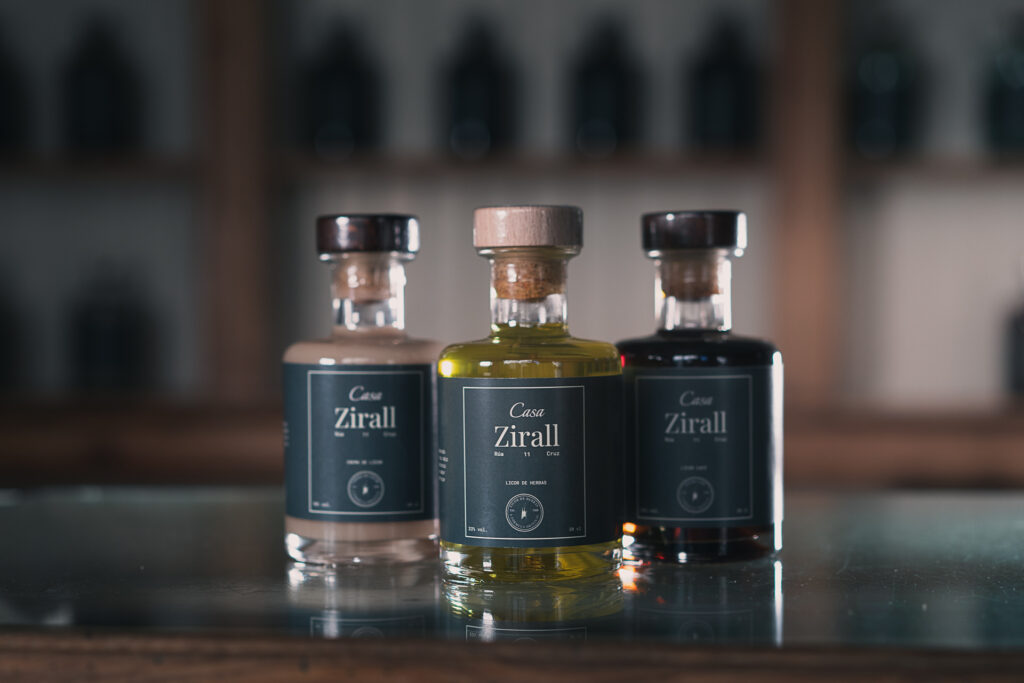
The top is the most visible part of the bartop and offers a direct opportunity for branding.
Wood, zamak, plastic, cork and technical materials each communicate different messages.
The choice should be consistent with the price point, label design and brand territory. A bartop that is too simple may undermine a premium bottle. One that is overly elaborate may feel out of place on a more accessible product.
The goal is not to impress through excess. It is to create a visual and tactile experience that is aligned with the spirit.
5. Consider the Opening Experience
Opening the bottle is a small moment, but an important one. It is the first time the consumer physically confirms the quality of the product.
A good bartop should come out smoothly and confidently, without requiring excessive force. It should also reinsert securely, without feeling loose or fragile.
This experience is particularly important for spirits consumed over time. Whisky, rum, gin and liqueurs may be opened and closed many times, whether at home or in professional settings.
In bars and restaurants, resistance to repeated use becomes even more important. The bartop must maintain comfort, stability and a high-quality appearance after multiple uses.
6. Integrate Sustainability Without Compromising Performance
Sustainability has become a genuine criterion in packaging decisions. This is especially evident among brands operating in European, British and North American markets.
Cork has a clear advantage in this context. It is a natural, renewable material associated with a value chain that has a strong environmental identity.
However, sustainability should not be treated as a purely marketing argument. It should be reflected in material choices, finishes, durability and recyclability.
A sustainable bartop must still fulfil its primary function. It should protect the spirit, deliver a positive user experience and maintain visual consistency.
7. Test Before Approving
No decision should be made based solely on a photograph or 3D render. The bartop needs to be tested on the actual bottle.
Samples make it possible to assess fit, extraction force, reinsertion, appearance and comfort in the hand. They also help determine whether the top works well with the label, bottle and secondary packaging.
For exporting brands, these tests reduce risk. Small issues during development can turn into significant costs once production is underway.
Testing early is a simple way to protect the product, the brand and the investment.
Conclusion
Choosing the right bartop is a strategic decision. It is not simply about closing a bottle, but about enhancing the spirit at every point of contact.
The right bartop protects the product, reinforces brand identity and improves the consumer experience. It can also help differentiate the bottle in demanding markets such as the United States, the United Kingdom and France.
If you are developing a new spirit or redesigning your brand’s packaging, get in touch with us. We can assess your bottle, product positioning and target market to identify the most suitable bartop solution.